
Solar Products
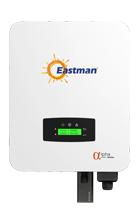
ES5KWT-GT
Power Rated Output: 5KW
Phase: Three Phase
Warranty: 10 Years*
*T&C Apply
ES5KWT-GT
Warranty
10 years
Max. DC Input Power (kW)
7.5KW
Max. DC Input Voltage (V)
1100V
Start-up DC Input Voltage (V)
150V
MPPT Operating Range (V)
150V-1000V
Max. DC Input Current (A)
15X2
Max. Short Circuit Current (A)
25X2
No. of MPP Trackers
2
Rated Output Power (kW)
5KW
Rated Output Power (VA)
NA
Nominal Output Voltage / Range (V)
3P+N+PE/+PE 230/400V
Rated Grid Frequency (Hz)
50/60Hz
Operating Phase
Three Phase
Max. AC Output Current (A)
13.5/PH
Surge protection
INTEGRATED (TYPE III)
AC Connection
Three Phase
Interface
RS485/wifi /wire Ethernet/GPRS (Optional)
Dimension (L*W*H)
370x535x192
Grid Tie Feature

Max Effieciency
98.5%
Low Startup
Dc Voltae
Max Dc
Overloading 30%
Wide Ac
Voltage Range
Type-2 Spd Enabled
Ac and Dc Side
Eastman Solar App
For Remote
Monitoring 24*7
IP 65
Enclosure
Built in Zero
Export Function
Applications

Home

Office

Industrial Units

Hospitals

Schools

Petrol Pump
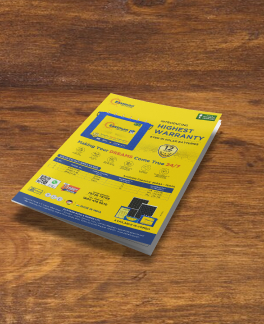

Download Catalogue
Interested in buying our products?
Fill the enquiry form or call us on:
 78728 78728
Blogs






FAQs
We have a complete range of Solar Inverters for your every need. Our portfolio includes Off Grid Solar Inverters (PWM and MPPT based) and Grid Tie Solar Inverters with the best performance and reliability in the industry.
Connect enough solar panels to match the capacity of your inverter, ensuring optimal performance and efficient energy production for your needs. Use our Off Grid Solar Calculator or Grid Tie Solar Calculator for our recommendations as per your requirement.
Using our Eastman solar inverter can save you up to 70% on your electricity bills by significantly reducing your reliance on grid electricity. Know your exact savings by using our Grid Tie Solar Calculator.
A solar inverter converts DC electricity from your solar panels into AC electricity for your household appliances, enabling you to use solar power. We have a complete range of Solar Inverters for your every need. Our portfolio includes Off Grid Solar Inverters (PWM and MPPT based) and Grid Tie Solar Inverters with the best performance and reliability in the industry.
Our range of Solar Inverters include Off Grid Solar Inverters and Grid Tie Solar Inverters, each suited for different solar power system setups. Explore our complete range of Solar Inverters now!
Choose a solar inverter based on your energy needs, system size, and compatibility with your solar panels to ensure efficient energy conversion. Use our Off Grid Solar Calculator or Grid Tie Solar Calculator for our recommendations as per your requirement.
To calculate your solar inverter size, match it to the total wattage of your solar panels, ensuring the inverter capacity meets or exceeds this value. Use our Off Grid Solar Calculator or Grid Tie Solar Calculator for our recommendations as per your requirement.
PV stands for photovoltaic, referring to the technology that converts sunlight into electricity through solar panels in your solar power system.
Solar Products

ESCC201224
Power Rating: 450 W
Warranty: 12 Months
Charger: PWM
ESCC201224
Model
ESCC101224
Operating Temperature
-20°C to 50°C
Charger Type
Zero Drop PWM
Electrical
Normal Working Voltage
12V/24V VDC
Charging Current Solar
10A ± 10%
Solar High (Voc)
56V ± 4V
Boost Voltage Tubular Battery
14.7V ± 0.3V (12V Batt)
29.4V ± 0.3V (24V Batt)
Display Parameter (LED Display)
1. Battery Reverse Polarity
2. Solar Reverse Polarity
3. Over Current SPV
4. Solar Low Voltage
5. Solar High Voltage
Physical
Packing
Packing Box & Warranty Card
Ingress Protection
IP-20
Solar Pro Max Feature

Zero Drop Pwm Solar Charge Topology

Working Mode (Intelligent, Hybrid,Solar)

Pv Reverse Protection

Auto Selection of Grid Reconnect Battery Voltage

Double Pv VOC Protection

Isolated Gate Drive For Solar Charger
Applications
Home
Office
Industrial Units
Hospitals
Schools
Petrol Pump
Download Catalogue
Interested in buying our products?
Fill the enquiry form or call us on:
78728 78728Blogs
FAQs
We have a complete range of Solar Inverters for your every need. Our portfolio includes Off Grid Solar Inverters (PWM and MPPT based) and Grid Tie Solar Inverters with the best performance and reliability in the industry.
Connect enough solar panels to match the capacity of your inverter, ensuring optimal performance and efficient energy production for your needs. Use our Off Grid Solar Calculator or Grid Tie Solar Calculator for our recommendations as per your requirement.
Using our Eastman solar inverter can save you up to 70% on your electricity bills by significantly reducing your reliance on grid electricity. Know your exact savings by using our Grid Tie Solar Calculator.
A solar inverter converts DC electricity from your solar panels into AC electricity for your household appliances, enabling you to use solar power. We have a complete range of Solar Inverters for your every need. Our portfolio includes Off Grid Solar Inverters (PWM and MPPT based) and Grid Tie Solar Inverters with the best performance and reliability in the industry.
Our range of Solar Inverters include Off Grid Solar Inverters and Grid Tie Solar Inverters, each suited for different solar power system setups. Explore our complete range of Solar Inverters now!
Choose a solar inverter based on your energy needs, system size, and compatibility with your solar panels to ensure efficient energy conversion. Use our Off Grid Solar Calculator or Grid Tie Solar Calculator for our recommendations as per your requirement.
To calculate your solar inverter size, match it to the total wattage of your solar panels, ensuring the inverter capacity meets or exceeds this value. Use our Off Grid Solar Calculator or Grid Tie Solar Calculator for our recommendations as per your requirement.
PV stands for photovoltaic, referring to the technology that converts sunlight into electricity through solar panels in your solar power system.
Solar Products
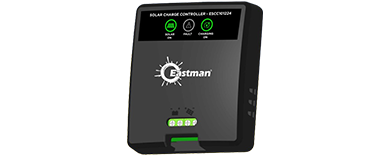
ESCC101224
ESCC101224
Model
ESCC101224
Operating Temperature
-20°C to 50°C
Charger Type
Zero Drop PWM
Electrical
Normal Working Voltage
12V/24V VDC
Charging Current Solar
10A ± 10%
Solar High (Voc)
56V ± 4V
Boost Voltage Tubular Battery
14.7V ± 0.3V (12V Batt)
29.4V ± 0.3V (24V Batt)
Display Parameter (LED Display)
1. Battery Reverse Polarity
2. Solar Reverse Polarity
3. Over Current SPV
4. Solar Low Voltage
5. Solar High Voltage
Physical
Packing
Packing Box & Warranty Card
Ingress Protection
IP-20
Solar Pro Max Feature
Zero Drop Pwm Solar Charge Topology
Working Mode (Intelligent, Hybrid,Solar)
Pv Reverse Protection
Auto Selection of Grid Reconnect Battery Voltage
Double Pv VOC Protection
Isolated Gate Drive For Solar Charger
Applications
Home
Office
Industrial Units
Hospitals
Schools
Petrol Pump
Download Catalogue
Interested in buying our products?
Fill the enquiry form or call us on:
78728 78728Blogs
FAQs
We have a complete range of Solar Inverters for your every need. Our portfolio includes Off Grid Solar Inverters (PWM and MPPT based) and Grid Tie Solar Inverters with the best performance and reliability in the industry.
Connect enough solar panels to match the capacity of your inverter, ensuring optimal performance and efficient energy production for your needs. Use our Off Grid Solar Calculator or Grid Tie Solar Calculator for our recommendations as per your requirement.
Using our Eastman solar inverter can save you up to 70% on your electricity bills by significantly reducing your reliance on grid electricity. Know your exact savings by using our Grid Tie Solar Calculator.
A solar inverter converts DC electricity from your solar panels into AC electricity for your household appliances, enabling you to use solar power. We have a complete range of Solar Inverters for your every need. Our portfolio includes Off Grid Solar Inverters (PWM and MPPT based) and Grid Tie Solar Inverters with the best performance and reliability in the industry.
Our range of Solar Inverters include Off Grid Solar Inverters and Grid Tie Solar Inverters, each suited for different solar power system setups. Explore our complete range of Solar Inverters now!
Choose a solar inverter based on your energy needs, system size, and compatibility with your solar panels to ensure efficient energy conversion. Use our Off Grid Solar Calculator or Grid Tie Solar Calculator for our recommendations as per your requirement.
To calculate your solar inverter size, match it to the total wattage of your solar panels, ensuring the inverter capacity meets or exceeds this value. Use our Off Grid Solar Calculator or Grid Tie Solar Calculator for our recommendations as per your requirement.
PV stands for photovoltaic, referring to the technology that converts sunlight into electricity through solar panels in your solar power system.
Home UPS
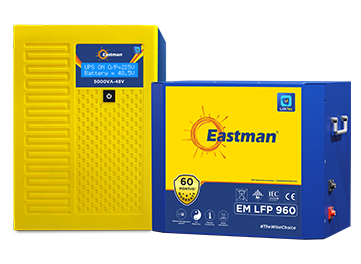
Lith Tec SW 5000VA-48V
VA Rating: 5000VA
Warranty: 36 Months
Charger: LithTec
| Product Specifications | Lith Tec SW 5000VA-48V |
|---|---|
| Input Voltage (Wide Mode) | 120V-275V ±10V |
| Input Voltage (Narrow Mode) | 180V-260V ±10V |
| Mains Mode Input Frequency | Same as input |
| Output Voltage on Mains Mode | Same as input voltage |
| Output Voltage on Backup Mode | 220V +5%, -18% |
| Output Waveform on UPS Mode | Pure Sine Wave |
| Switching from Mains to UPS and from UPS to Mains | Automatic |
| Charger | CCCV |
| Technology | DSPIC BASED DESIGN |
| Overload / Short Circuit | 110% / 300% |
| UPS Transfer Time | <= 15 msec |
| Operating Temperature | 0°C to +45°C |
| Auto Reset Feature | Yes |
| Mains Bypass | Bypass Switch |
Lith Tec SW 5000VA-48V

Zero Cross Transition

Superior Starting Current Handling

Two Step Boost Charging

Temperature Guard Inside

Rapid "in a wink changeover"

Lighting Protector Inside
Applications
Home
Office
Industrial Units
Hospitals
Schools
Petrol Pump

Download Catalogue
Interested in buying our products?
Fill the enquiry form or call us on:
78728 78728Blogs
FAQs
An inverter converts DC (Direct Current) to AC (Alternating Current), allowing you to use standard electrical devices with a battery or solar power source.
A 12V inverter operates on a 12-volt DC input, while a 24V inverter uses a 24-volt DC input. Further, with a 12V inverter you can use a single battery whereas with a 24V inverter you can use double battery. Due to this, a 24V inverter is typically more efficient and suitable for higher power and longer backup applications.
A sine wave inverter produces a smooth, consistent waveform similar to utility power, ideal for sensitive electronics. A square wave inverter generates a more abrupt waveform, less suited for sensitive devices. Due to this, the devices are kept safe and perform without any humming noise or flickers.
To choose the right inverter for your home, consider your power needs, battery voltage, and the type of devices you plan to run, ensuring compatibility and efficiency. Use our load calculator to get the best suited recommendations for your requirement.
Yes, you can run heavy appliances like ACs, motors, and mixer grinders on our inverters, provided the inverter has sufficient capacity to handle the load.
The best inverter for your home depends on your power requirements, with our sine wave inverters offering reliability and efficiency for most household needs. Calculate your load now for our recommendations on your requirement.
Our regulated voltage output provides stable power for sensitive devices, while non-regulated output may vary, suitable for less sensitive appliances.
Home UPS
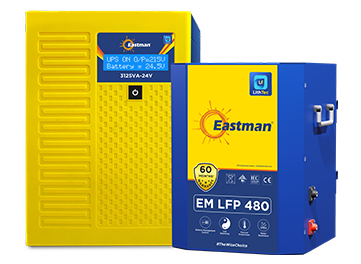
Lith Tec SW 3125VA-24V
VA Rating: 3125VA
Warranty: 36 Months
Charger: LithTec
| Product Specifications | Lith Tec SW 3125VA-24V |
|---|---|
| Input Voltage (Wide Mode) | 120V-275V ±10V |
| Input Voltage (Narrow Mode) | 180V-260V ±10V |
| Mains Mode Input Frequency | Same as input |
| Output Voltage on Mains Mode | Same as input voltage |
| Output Voltage on Backup Mode | 220V +5%, -18% |
| Output Waveform on UPS Mode | Pure Sine Wave |
| Switching from Mains to UPS and from UPS to Mains | Automatic |
| Charger | CCCV |
| Technology | DSPIC BASED DESIGN |
| Overload / Short Circuit | 110% / 300% |
| UPS Transfer Time | <= 15 msec |
| Operating Temperature | 0°C to +45°C |
| Auto Reset Feature | Yes |
| Mains Bypass | Bypass Switch |
Lith Tec SW 3125VA-24V
Zero Cross Transition
Superior Starting Current Handling
Two Step Boost Charging
Temperature Guard Inside
Rapid "in a wink changeover"
Lighting Protector Inside
Applications
Home
Office
Industrial Units
Hospitals
Schools
Petrol Pump
Download Catalogue
Interested in buying our products?
Fill the enquiry form or call us on:
78728 78728Blogs
FAQs
An inverter converts DC (Direct Current) to AC (Alternating Current), allowing you to use standard electrical devices with a battery or solar power source.
A 12V inverter operates on a 12-volt DC input, while a 24V inverter uses a 24-volt DC input. Further, with a 12V inverter you can use a single battery whereas with a 24V inverter you can use double battery. Due to this, a 24V inverter is typically more efficient and suitable for higher power and longer backup applications.
A sine wave inverter produces a smooth, consistent waveform similar to utility power, ideal for sensitive electronics. A square wave inverter generates a more abrupt waveform, less suited for sensitive devices. Due to this, the devices are kept safe and perform without any humming noise or flickers.
To choose the right inverter for your home, consider your power needs, battery voltage, and the type of devices you plan to run, ensuring compatibility and efficiency. Use our load calculator to get the best suited recommendations for your requirement.
Yes, you can run heavy appliances like ACs, motors, and mixer grinders on our inverters, provided the inverter has sufficient capacity to handle the load.
The best inverter for your home depends on your power requirements, with our sine wave inverters offering reliability and efficiency for most household needs. Calculate your load now for our recommendations on your requirement.
Our regulated voltage output provides stable power for sensitive devices, while non-regulated output may vary, suitable for less sensitive appliances.
Home UPS

Lith Tec SW 2200VA-24V
VA Rating: 2200VA
Warranty: 36 Months
Charger: LithTec
| Product Specifications | Lith Tec SW 2200VA-24V |
|---|---|
| Input Voltage (Wide Mode) | 90V-300V ± 10V |
| Input Voltage (Narrow Mode) | 180V-260V ± 10V |
| Output Voltage on Mains Mode | Same as input |
| Output Voltage on UPS Mode | 210V-220V ± 10% |
| Output Frequency on UPS Mode | 50Hz ± 0.1Hz |
| Switching from Mains to UPS and from UPS to Mains | Automatic |
| Battery Charging Current | Constant charging approx 10% of the rated battery current in AH |
| Charger | CCCV |
| UPS overload/UPS Short Circuit | 110% / 300% |
| UPS Transfer Time | ≤15 msec |
| Technology | MICRO CONTROLLER BASED DESIGN |
| Auto Reset Feature | Yes |
| Operating Temperature | 0°C - 45°C |
Lith Tec SW 2200VA-24V
Zero Cross Transition
Superior Starting Current Handling
Two Step Boost Charging
Temperature Guard Inside
Rapid "in a wink changeover"
Lighting Protector Inside
Applications
Home
Office
Industrial Units
Hospitals
Schools
Petrol Pump
Download Catalogue
Interested in buying our products?
Fill the enquiry form or call us on:
78728 78728Blogs
FAQs
An inverter converts DC (Direct Current) to AC (Alternating Current), allowing you to use standard electrical devices with a battery or solar power source.
A 12V inverter operates on a 12-volt DC input, while a 24V inverter uses a 24-volt DC input. Further, with a 12V inverter you can use a single battery whereas with a 24V inverter you can use double battery. Due to this, a 24V inverter is typically more efficient and suitable for higher power and longer backup applications.
A sine wave inverter produces a smooth, consistent waveform similar to utility power, ideal for sensitive electronics. A square wave inverter generates a more abrupt waveform, less suited for sensitive devices. Due to this, the devices are kept safe and perform without any humming noise or flickers.
To choose the right inverter for your home, consider your power needs, battery voltage, and the type of devices you plan to run, ensuring compatibility and efficiency. Use our load calculator to get the best suited recommendations for your requirement.
Yes, you can run heavy appliances like ACs, motors, and mixer grinders on our inverters, provided the inverter has sufficient capacity to handle the load.
The best inverter for your home depends on your power requirements, with our sine wave inverters offering reliability and efficiency for most household needs. Calculate your load now for our recommendations on your requirement.
Our regulated voltage output provides stable power for sensitive devices, while non-regulated output may vary, suitable for less sensitive appliances.
Home UPS
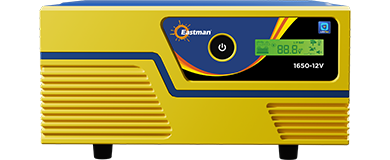
Lith Tec SW 1650VA-12V
VA Rating: 1650VA
Warranty: 36 Months
Charger: LithTec
| Product Specifications | Lith Tec SW 1650VA-12V |
|---|---|
| Input Voltage (Wide Mode) | 90V-300V ± 10V |
| Input Voltage (Narrow Mode) | 180V-260V ± 10V |
| Output Voltage on Mains Mode | Same as input |
| Output Voltage on UPS Mode | 210V-220V ± 10% |
| Output Frequency on UPS Mode | 50Hz ± 0.1Hz |
| Switching from Mains to UPS and from UPS to Mains | Automatic |
| Battery Charging Current | Constant charging approx 10% of the rated battery current in AH |
| Charger | CCCV |
| UPS overload/UPS Short Circuit | 110% / 300% |
| UPS Transfer Time | ≤15 msec |
| Technology | MICRO CONTROLLER BASED DESIGN |
| Auto Reset Feature | Yes |
| Operating Temperature | 0°C - 45°C |
Lith Tec SW 1650VA-12V
Zero Cross Transition
Superior Starting Current Handling
Two Step Boost Charging
Temperature Guard Inside
Rapid "in a wink changeover"
Lighting Protector Inside
Applications
Home
Office
Industrial Units
Hospitals
Schools
Petrol Pump
Download Catalogue
Interested in buying our products?
Fill the enquiry form or call us on:
78728 78728Blogs
FAQs
An inverter converts DC (Direct Current) to AC (Alternating Current), allowing you to use standard electrical devices with a battery or solar power source.
A 12V inverter operates on a 12-volt DC input, while a 24V inverter uses a 24-volt DC input. Further, with a 12V inverter you can use a single battery whereas with a 24V inverter you can use double battery. Due to this, a 24V inverter is typically more efficient and suitable for higher power and longer backup applications.
A sine wave inverter produces a smooth, consistent waveform similar to utility power, ideal for sensitive electronics. A square wave inverter generates a more abrupt waveform, less suited for sensitive devices. Due to this, the devices are kept safe and perform without any humming noise or flickers.
To choose the right inverter for your home, consider your power needs, battery voltage, and the type of devices you plan to run, ensuring compatibility and efficiency. Use our load calculator to get the best suited recommendations for your requirement.
Yes, you can run heavy appliances like ACs, motors, and mixer grinders on our inverters, provided the inverter has sufficient capacity to handle the load.
The best inverter for your home depends on your power requirements, with our sine wave inverters offering reliability and efficiency for most household needs. Calculate your load now for our recommendations on your requirement.
Our regulated voltage output provides stable power for sensitive devices, while non-regulated output may vary, suitable for less sensitive appliances.
Home UPS
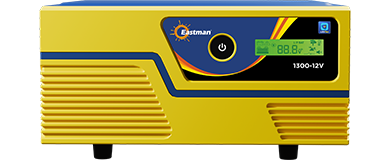
Lith Tec SW 1300VA-12V
VA Rating: 1300VA
Warranty: 36 Months
Charger: LithTec
| Product Specifications | Lith Tec SW 1300VA-12V |
|---|---|
| Input Voltage (Wide Mode) | 90V-300V ± 10V |
| Input Voltage (Narrow Mode) | 180V-260V ± 10V |
| Output Voltage on Mains Mode | Same as input |
| Output Voltage on UPS Mode | 210V-220V ± 10% |
| Output Frequency on UPS Mode | 50Hz ± 0.1Hz |
| Switching from Mains to UPS and from UPS to Mains | Automatic |
| Battery Charging Current | Constant charging approx 10% of the rated battery current in AH |
| Charger | CCCV |
| UPS overload/UPS Short Circuit | 110% / 300% |
| UPS Transfer Time | ≤15 msec |
| Technology | MICRO CONTROLLER BASED DESIGN |
| Auto Reset Feature | Yes |
| Operating Temperature | 0°C - 45°C |
Lith Tec SW 1300VA-12V
Zero Cross Transition
Superior Starting Current Handling
Two Step Boost Charging
Temperature Guard Inside
Rapid "in a wink changeover"
Lighting Protector Inside
Applications
Home
Office
Industrial Units
Hospitals
Schools
Petrol Pump
Download Catalogue
Interested in buying our products?
Fill the enquiry form or call us on:
78728 78728Blogs
FAQs
An inverter converts DC (Direct Current) to AC (Alternating Current), allowing you to use standard electrical devices with a battery or solar power source.
A 12V inverter operates on a 12-volt DC input, while a 24V inverter uses a 24-volt DC input. Further, with a 12V inverter you can use a single battery whereas with a 24V inverter you can use double battery. Due to this, a 24V inverter is typically more efficient and suitable for higher power and longer backup applications.
A sine wave inverter produces a smooth, consistent waveform similar to utility power, ideal for sensitive electronics. A square wave inverter generates a more abrupt waveform, less suited for sensitive devices. Due to this, the devices are kept safe and perform without any humming noise or flickers.
To choose the right inverter for your home, consider your power needs, battery voltage, and the type of devices you plan to run, ensuring compatibility and efficiency. Use our load calculator to get the best suited recommendations for your requirement.
Yes, you can run heavy appliances like ACs, motors, and mixer grinders on our inverters, provided the inverter has sufficient capacity to handle the load.
The best inverter for your home depends on your power requirements, with our sine wave inverters offering reliability and efficiency for most household needs. Calculate your load now for our recommendations on your requirement.
Our regulated voltage output provides stable power for sensitive devices, while non-regulated output may vary, suitable for less sensitive appliances.
Home UPS
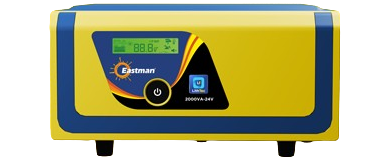
Lith Tec SW 950VA-12V
VA Rating: 950VA
Warranty: 36 Months
Charger: LithTec
| Product Specifications | Lith Tec SW 950VA-12V |
|---|---|
| Input Voltage (Wide Mode) | 90V-300V ± 10V |
| Input Voltage (Narrow Mode) | 180V-260V ± 10V |
| Output Voltage on Mains Mode | Same as input |
| Output Voltage on UPS Mode | 210V-220V ± 10% |
| Output Frequency on UPS Mode | 50Hz ± 0.1Hz |
| Switching from Mains to UPS and from UPS to Mains | Automatic |
| Battery Charging Current | Constant charging approx 10% of the rated battery current in AH |
| Charger | CCCV |
| UPS overload/UPS Short Circuit | 110% / 300% |
| UPS Transfer Time | ≤15 msec |
| Technology | MICRO CONTROLLER BASED DESIGN |
| Auto Reset Feature | Yes |
| Operating Temperature | 0°C - 45°C |
Lith Tec SW 950VA-12V
Zero Cross Transition
Superior Starting Current Handling
Two Step Boost Charging
Temperature Guard Inside
Rapid "in a wink changeover"
Lighting Protector Inside
Applications
Home
Office
Industrial Units
Hospitals
Schools
Petrol Pump
Download Catalogue
Interested in buying our products?
Fill the enquiry form or call us on:
78728 78728Blogs
FAQs
An inverter converts DC (Direct Current) to AC (Alternating Current), allowing you to use standard electrical devices with a battery or solar power source.
A 12V inverter operates on a 12-volt DC input, while a 24V inverter uses a 24-volt DC input. Further, with a 12V inverter you can use a single battery whereas with a 24V inverter you can use double battery. Due to this, a 24V inverter is typically more efficient and suitable for higher power and longer backup applications.
A sine wave inverter produces a smooth, consistent waveform similar to utility power, ideal for sensitive electronics. A square wave inverter generates a more abrupt waveform, less suited for sensitive devices. Due to this, the devices are kept safe and perform without any humming noise or flickers.
To choose the right inverter for your home, consider your power needs, battery voltage, and the type of devices you plan to run, ensuring compatibility and efficiency. Use our load calculator to get the best suited recommendations for your requirement.
Yes, you can run heavy appliances like ACs, motors, and mixer grinders on our inverters, provided the inverter has sufficient capacity to handle the load.
The best inverter for your home depends on your power requirements, with our sine wave inverters offering reliability and efficiency for most household needs. Calculate your load now for our recommendations on your requirement.
Our regulated voltage output provides stable power for sensitive devices, while non-regulated output may vary, suitable for less sensitive appliances.
Home UPS
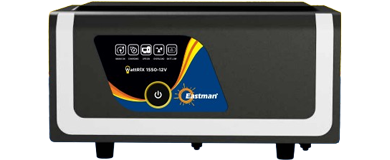
Wattrix 1550VA-12V
VA Rating: 750VA
Warranty: 36 Months
Charger: Square Wave
Wattrix 1550VA-12V
Input Voltage (Wide Mode)
90V-300V ± 10V
Input Voltage (Narrow Mode)
180V-260V ± 10V
Output Voltage on Mains Mode
Same as input
Output Voltage on UPS Mode
210V - 220V ± 10%
Output frequency In UPS Mode
50Hz ± 0.1Hz
Switching from mains to UPS and from UPS to Mains
Automatic
Output Waveform on Mains mode
Same as input
Output Waveform on UPS mode
TPZi Wave
Battery Charging Current
Constant charging approx 10% of the rated battery current in AH
Charger
CCCV
UPS overload/UPS Short Circuit
110%/300%
UPS Transfer Time
<=15msec
Technology
Micro Controller Based Design
Auto Reset Feature
Yes
Operating Temperature
0°C to +45°C
Wattrix 1550VA-12V
Zero Cross Transition
Superior Starting Current Handling
Two Step Boost Charging
Temperature Guard Inside
Rapid "in a wink changeover"
Lighting Protector Inside
Applications
Home
Office
Industrial Units
Hospitals
Schools
Petrol Pump
Download Catalogue
Interested in buying our products?
Fill the enquiry form or call us on:
78728 78728Blogs
FAQs
An inverter converts DC (Direct Current) to AC (Alternating Current), allowing you to use standard electrical devices with a battery or solar power source.
A 12V inverter operates on a 12-volt DC input, while a 24V inverter uses a 24-volt DC input. Further, with a 12V inverter you can use a single battery whereas with a 24V inverter you can use double battery. Due to this, a 24V inverter is typically more efficient and suitable for higher power and longer backup applications.
A sine wave inverter produces a smooth, consistent waveform similar to utility power, ideal for sensitive electronics. A square wave inverter generates a more abrupt waveform, less suited for sensitive devices. Due to this, the devices are kept safe and perform without any humming noise or flickers.
To choose the right inverter for your home, consider your power needs, battery voltage, and the type of devices you plan to run, ensuring compatibility and efficiency. Use our load calculator to get the best suited recommendations for your requirement.
Yes, you can run heavy appliances like ACs, motors, and mixer grinders on our inverters, provided the inverter has sufficient capacity to handle the load.
The best inverter for your home depends on your power requirements, with our sine wave inverters offering reliability and efficiency for most household needs. Calculate your load now for our recommendations on your requirement.
Our regulated voltage output provides stable power for sensitive devices, while non-regulated output may vary, suitable for less sensitive appliances.